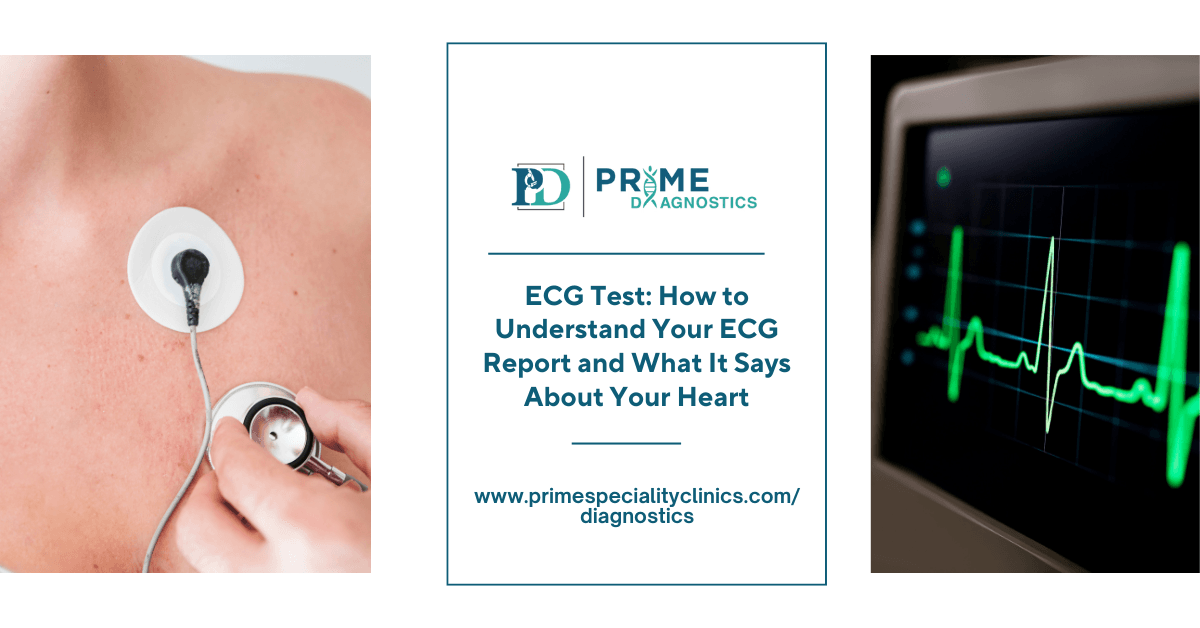
ECG Test: How to Understand Your ECG Report and What It Says About Your Heart
An ECG test (Electrocardiogram) is not just a medical procedure—it is a way to study and understand how your heart works. Many patients undergo ECG testing but are unsure how to read or interpret the results. This article explains the ECG test in a simple, informative manner, helping you understand what the test measures, how it works, and what the results usually indicate.
What Exactly Does an ECG Study?
Your heart works using electrical signals. Every heartbeat starts with an electrical impulse that travels through the heart muscles, causing them to contract and pump blood. An ECG study records these electrical signals and displays them as wave patterns on a graph.
By studying these waves, doctors can understand:
- How fast your heart is beating (heart rate)
- Whether the rhythm is regular or irregular
- If all parts of the heart are working in coordination
- Signs of stress, damage, or poor blood supply to the heart
This is why an ECG is often called a basic but powerful heart investigation.
How Is an ECG Test Performed?
An ECG test is quick, painless, and non-invasive. Small electrodes are placed on your chest, arms, and legs. These electrodes do not give electric shocks—they only record the electrical activity produced by your heart.
The entire test usually takes 5–10 minutes, and the results are available immediately. Because of its simplicity, ECG testing is widely used in emergency care, routine health checkups, and follow-up cardiac assessments.
Understanding the ECG Waves
When you see an ECG report, it usually shows a series of waves and lines. Each part of the wave represents a specific heart activity:
- P wave: Shows how the electrical signal starts in the upper chambers (atria)
- QRS complex: Represents contraction of the lower chambers (ventricles)
- T wave: Indicates recovery and relaxation of the heart muscles
Doctors study the shape, size, timing, and spacing of these waves to detect abnormalities. Even small changes can provide important clues about heart health.
What Can an ECG Detect?
An ECG test helps doctors identify several heart-related conditions, such as:
- Irregular heartbeats (arrhythmias)
- Signs of a previous or ongoing heart attack
- Reduced blood supply to the heart (ischemia)
- Enlarged heart chambers
- Electrolyte imbalances affecting heart function
It is often the first test recommended when a patient experiences chest pain, dizziness, palpitations, or shortness of breath.
When Should You Get an ECG Test?
An ECG is advised if you have symptoms like unexplained fatigue, fainting, chest discomfort, or rapid heartbeat. People with high blood pressure, diabetes, obesity, or a family history of heart disease should also undergo regular ECG screening.
Even without symptoms, preventive ECG testing can help detect early changes before they become serious problems.
Final Thoughts
An ECG test is like a study map of your heart’s electrical activity. Understanding this test empowers you to take better control of your heart health. When combined with regular checkups and timely medical advice, ECG testing plays a vital role in preventing and managing heart diseases.
Being informed about your ECG results is the first step toward a healthier heart.
Related Services
Return to health blog or learn more about our expert doctors at Prime Speciality Clinics.