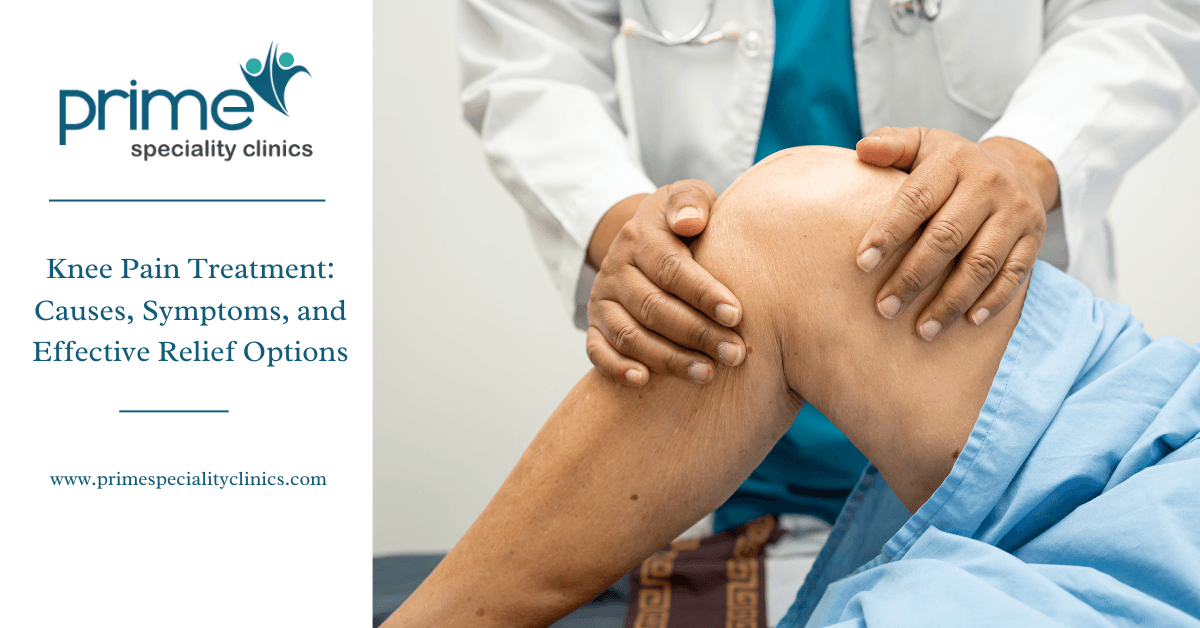
Knee Pain Treatment: Causes, Symptoms, and Effective Relief Options
Knee pain is one of the most common orthopedic problems affecting people of all ages. It can range from mild discomfort to severe pain that limits walking, climbing stairs, or even standing for long periods. Understanding the causes, symptoms, and treatment options for knee pain is essential for early recovery and long-term joint health.
What is Knee Pain?
Knee pain refers to discomfort or pain in or around the knee joint. It may develop suddenly due to injury or gradually because of wear and tear. The knee is a complex joint made of bones, cartilage, ligaments, and tendons, making it vulnerable to various orthopedic conditions.
Common keyword search terms related to this condition include knee pain treatment, knee pain causes, knee pain relief, and orthopedic doctor for knee pain.
Common Causes of Knee Pain
There are several reasons why knee pain occurs. Some of the most common causes include:
1. Osteoarthritis
Osteoarthritis is a degenerative joint disease that occurs when cartilage wears down over time. It is one of the leading causes of chronic knee pain, especially in older adults. Symptoms include stiffness, swelling, and reduced mobility.
2. Ligament Injuries
Sports injuries often lead to ligament tears such as ACL or MCL injuries. These injuries usually occur due to sudden twisting movements, leading to severe pain and instability.
3. Meniscus Tear
The meniscus is a cartilage that cushions the knee joint. A tear can happen due to sudden rotation or heavy lifting, causing pain, swelling, and difficulty in movement.
4. Overuse Injuries
Repetitive strain from activities like running, jumping, or prolonged standing can lead to inflammation in the knee joint, resulting in chronic pain.
5. Age-Related Wear and Tear
As we age, the knee joint naturally weakens, making it more prone to pain and stiffness.
Symptoms of Knee Pain
The symptoms of knee pain can vary depending on the cause, but commonly include:
- Swelling and inflammation
- Stiffness in the joint
- Difficulty walking or climbing stairs
- Popping or cracking sounds
- Reduced range of motion
- Redness or warmth around the knee
If the pain persists for more than a few days, it is important to consult an orthopedic specialist.
Knee Pain Treatment Options
Treatment depends on the severity and cause of the condition. Common knee pain treatment methods include:
1. Rest and Ice Therapy
Resting the knee and applying ice packs can help reduce swelling and pain, especially in minor injuries.
2. Medications
Anti-inflammatory medicines are often prescribed to reduce pain and swelling. These should be taken under medical supervision.
3. Physiotherapy
Physiotherapy plays a crucial role in strengthening the muscles around the knee. It improves flexibility, balance, and overall joint function.
4. Lifestyle Changes
Maintaining a healthy weight reduces pressure on the knee joint. Low-impact exercises like swimming and cycling are also recommended.
5. Injections or Surgical Treatment
In severe cases, doctors may recommend corticosteroid injections or surgical procedures such as arthroscopy or knee replacement.
Preventing Knee Pain
Prevention is always better than cure. Here are some tips to protect your knees:
- Warm up before exercise
- Avoid sudden intense physical activity
- Wear proper footwear
- Maintain healthy body weight
- Strengthen leg muscles regularly
When to See a Doctor
You should consult an orthopedic doctor if:
- Pain persists for more than a week
- Swelling does not reduce
- You cannot fully bend or straighten your knee
- The knee feels unstable or gives way
Early diagnosis helps prevent long-term joint damage.
Conclusion
Knee pain is a common orthopedic issue that can significantly affect daily life if ignored. With proper knee pain treatment, early diagnosis, and lifestyle management, most patients can recover effectively and regain mobility. If symptoms persist, consulting an orthopedic specialist is the best step toward long-term relief and joint health.
Related Services
Return to health blog or learn more about our expert doctors at Prime Speciality Clinics.