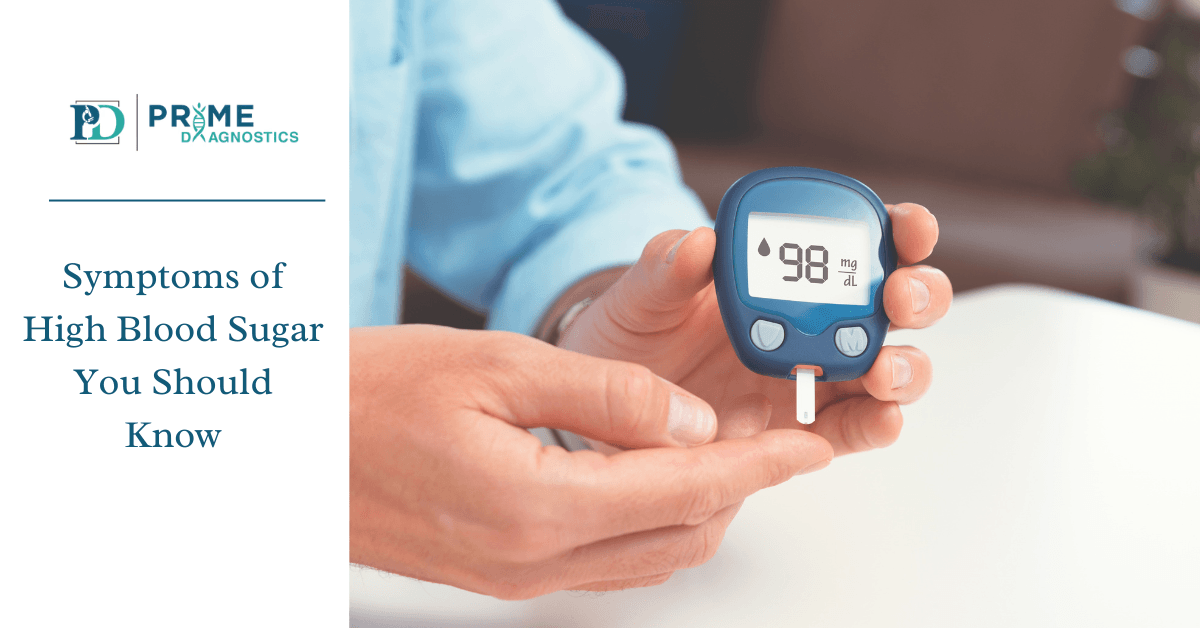
Symptoms of High Blood Sugar You Should Know
High blood sugar, also known as hyperglycemia, is a common health issue that can affect anyone, especially people with diabetes or prediabetes. It often develops gradually, and the early symptoms may be mild or easily ignored. However, recognizing these signs early can help prevent serious health complications and allow for better control of blood sugar levels.
What is High Blood Sugar?
High blood sugar occurs when there is too much glucose in the bloodstream. This can happen when the body does not produce enough insulin or cannot use insulin effectively. Over time, consistently high blood sugar levels can damage organs and tissues, making early detection extremely important.
Frequent Urination
One of the most common symptoms of high blood sugar is frequent urination. When glucose builds up in the blood, the kidneys try to remove the excess sugar through urine. This leads to increased urination, especially at night, which can disrupt sleep and daily routines.
Increased Thirst
As the body loses more fluids due to frequent urination, it triggers excessive thirst. You may find yourself drinking water more often but still feeling dehydrated. This is a key early warning sign that your blood sugar levels may be elevated.
Constant Fatigue
Another important symptom is persistent tiredness. When your body cannot properly use glucose for energy, it leads to fatigue and weakness. Even after resting, you may still feel low on energy, which can affect your productivity and overall well-being.
Blurred Vision
High blood sugar can cause blurred vision by affecting the fluid balance in your eyes. This can lead to temporary changes in eyesight. If left unmanaged, it may result in more serious eye problems over time.
Increased Hunger
People with high blood sugar often experience increased hunger, even after eating regular meals. This happens because the body’s cells are not receiving enough glucose for energy, prompting a constant feeling of hunger.
Slow Healing of Wounds
Another noticeable symptom is slow healing of cuts and wounds. High blood sugar affects blood circulation and weakens the body’s natural healing process. Even minor injuries may take longer than usual to recover.
Tingling or Numbness
Some individuals may feel tingling, numbness, or a burning sensation in their hands or feet. This can be an early sign of nerve damage caused by prolonged high blood sugar levels.
Why You Should Not Ignore These Symptoms
Ignoring the symptoms of high blood sugar can lead to serious complications such as nerve damage, kidney disease, heart problems, and vision loss. Early identification allows for timely lifestyle changes, medical support, and better management of the condition.
When to See a Doctor
If you experience multiple symptoms like frequent urination, excessive thirst, fatigue, or blurred vision, it is important to consult a healthcare professional. A simple blood test can help determine your blood sugar levels and guide further treatment if needed.
Conclusion
High blood sugar does not always cause immediate or severe symptoms, which is why it is often overlooked. Paying attention to early warning signs such as frequent urination, thirst, fatigue, and slow healing can help you take control of your health. Early action is the key to preventing long-term complications and maintaining overall well-being.
Related Services
Return to health blog or learn more about our expert doctors at Prime Speciality Clinics.