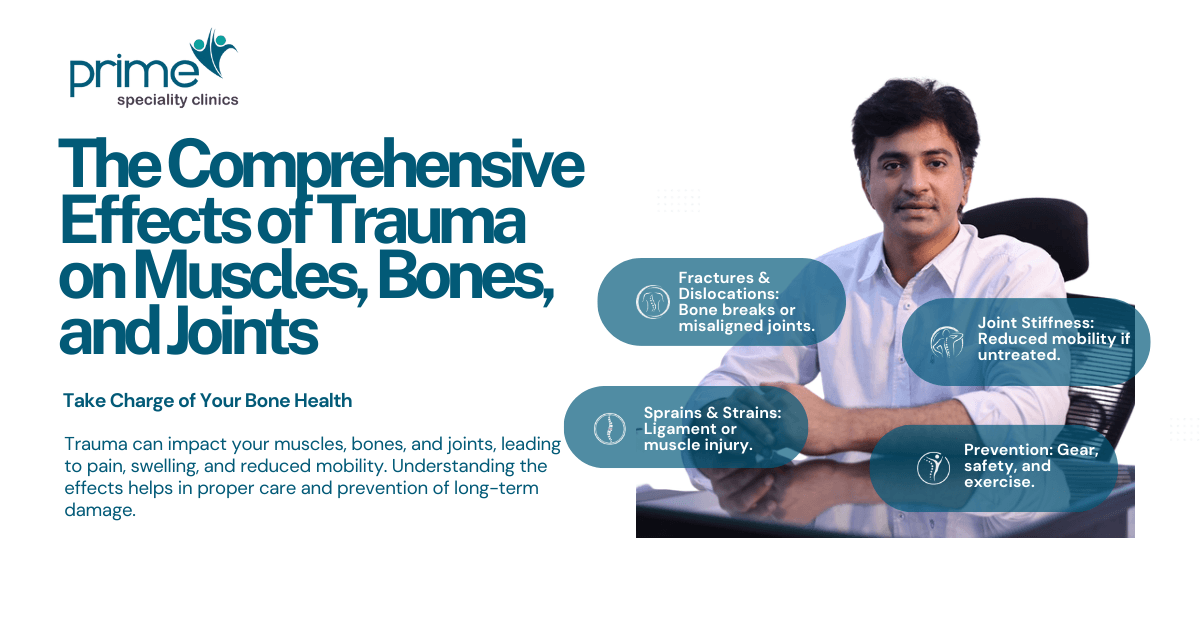
The Comprehensive Effects of Trauma on Muscles, Bones, and Joints
Trauma to the musculoskeletal system can have profound effects on the body, impacting muscles, bones, and joints in ways that range from mild discomfort to long-term disability. Understanding the different types of traumatic injuries and their consequences is crucial for effective treatment, rehabilitation, and prevention. Common musculoskeletal trauma includes fractures, dislocations, sprains, and strains, all of which can significantly affect daily function and overall quality of life.
Fractures are among the most common injuries resulting from trauma. A fracture occurs when the bone breaks due to excessive force or impact. They can vary from simple hairline fractures, which may only cause mild pain and swelling, to complex compound fractures that break the bone into multiple pieces and often require surgical intervention. Fractures not only affect the structural integrity of the bone but can also lead to muscle weakness, restricted mobility, and long-term joint stiffness if not managed properly.
Dislocations happen when the ends of a joint are forced out of their normal positions. This type of trauma often occurs in high-impact sports, falls, or accidents. Dislocations can cause intense pain, swelling, and bruising, while also damaging the ligaments, tendons, and surrounding muscles. If left untreated, joint dislocations may result in instability, chronic pain, and reduced range of motion, which can significantly limit everyday activities.
Sprains and strains are other common effects of musculoskeletal trauma. A sprain involves the stretching or tearing of ligaments, which connect bones to each other, while a strain affects muscles or tendons, the tissues that attach muscles to bones. Sprains and strains often result in pain, inflammation, swelling, and difficulty moving the affected area. Severe cases can lead to muscle atrophy or long-term weakness, emphasizing the importance of prompt and proper treatment.
The effects of trauma on muscles, bones, and joints extend beyond immediate pain and swelling. Repeated or untreated injuries can cause chronic conditions such as joint stiffness, reduced flexibility, and instability, which may increase the risk of future injuries. Additionally, trauma can lead to muscle imbalance, where compensatory movement patterns develop, further stressing other areas of the body and increasing the likelihood of additional injuries.
Preventing traumatic injuries is just as important as treating them. Safety measures in sports, recreational activities, and workplaces play a critical role in reducing the risk of trauma. Using protective gear such as helmets, knee pads, and wrist guards, practicing proper lifting and movement techniques, and maintaining a safe and clutter-free environment at home and work can significantly reduce the incidence of injuries. For athletes and physically active individuals, strengthening exercises and flexibility training can help support muscles and joints, improving resilience against trauma.
In conclusion, trauma to the musculoskeletal system can affect bones, joints, and muscles in a variety of ways, from immediate pain and swelling to long-term weakness and limited mobility. Understanding the types of injuries, recognizing their symptoms, and implementing prevention strategies are essential for protecting your body and ensuring proper recovery. Whether it is a minor sprain, a complex fracture, or a dislocation, prompt attention and treatment can prevent long-term damage and help maintain overall musculoskeletal health.
Related Services
Return to health blog or learn more about our expert doctors at Prime Speciality Clinics.